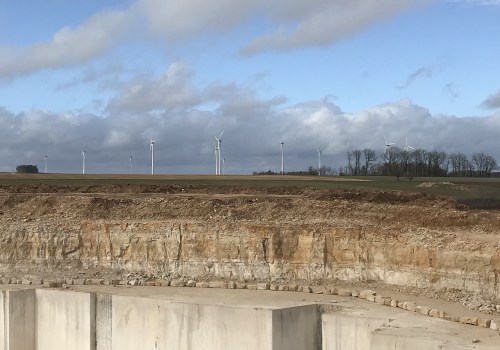
Natural stone building materials such as marble, granite, limestone, and slate add beauty and long-term value to a home, but they also influence moving costs in ways many homeowners don’t anticipate. Stone is significantly heavier and more fragile than standard construction materials, requiring extra precautions during a move. Floors, countertops, fireplaces, and stone accents must be protected from cracking, chipping, or shifting under pressure. These added risks often translate into increased labor, specialized equipment, and longer moving times, all of which can affect the final cost.
Weight and Structural Considerations
One of the biggest cost factors associated with natural stone is weight. Stone surfaces place additional stress on floors, stairs, and structural supports when heavy furniture and moving equipment are added to the mix. Movers must carefully plan load distribution and often use reinforced dollies, lift systems, or additional crew members. In multi-story homes, navigating stone staircases or entryways requires slower movement and extra care, increasing labor hours and overall expense.
Protection Requirements During the Move
Natural stone is durable in everyday use but surprisingly vulnerable during relocation. Even minor impacts can cause cracks or surface damage that is expensive to repair. Movers typically use thick padding, floor runners, plywood sheets, and corner guards to protect stone surfaces throughout the process. Installing and removing these protections takes time, and that added preparation is reflected in moving costs. Skipping these precautions can lead to far more costly damage after the move.
Furniture Placement and Handling Challenges
Homes with natural stone often require careful furniture placement planning. Heavy furniture placed incorrectly can create pressure points that damage stone floors or tiles. Movers may need to reposition items multiple times to ensure weight is evenly distributed, particularly during staging or temporary placement. This level of precision slows the process but is essential for preserving the integrity of stone materials. The more stone features a home has, the more complex these logistics become.
Temporary Storage and Transition Planning
In some moves, especially those involving renovations or phased relocations, belongings may need to be stored temporarily to protect stone surfaces from traffic and impact. During these transitions, specialized storage solutions are often recommended for valuable or delicate items. For example, homeowners relocating high-value instruments alongside stone interiors may consider climate-controlled piano storage in Austin area to protect sensitive items while stone floors and features are safeguarded during the move.
Insurance and Liability Factors
Natural stone surfaces also influence insurance and liability considerations. Because repairs can be costly, some moving companies factor additional risk into pricing when stone is present. Homeowners may be advised to review coverage options or document stone conditions before moving day. While this preparation may add minor upfront costs, it helps prevent disputes or unexpected expenses if damage occurs.
Renovation Timing and Cost Impact
Moving costs can increase further if stone materials are newly installed or scheduled for renovation. Freshly set stone requires curing time and should not bear heavy loads too soon. Delaying the move or staging furniture elsewhere may be necessary, adding storage or housing costs. Planning the move around stone installation timelines helps minimize damage and avoid paying for repairs that could have been prevented.
Long-Term Value Versus Short-Term Expense
While natural stone can raise moving costs, it also contributes to higher property value and long-term durability. The extra expense during a move is often temporary, whereas the benefits of stone materials last for decades. Understanding this tradeoff helps homeowners view added moving costs as part of protecting a valuable investment rather than an unnecessary burden.
Planning Ahead to Control Costs
The most effective way to manage moving costs associated with natural stone is early communication and planning. Informing movers about stone features allows for accurate estimates and proper preparation. Clearing pathways, planning furniture placement, and scheduling sufficient time all help control expenses.
Protecting Stone While Protecting Your Budget
Natural stone elevates a home’s character, but it requires thoughtful handling during a move. By understanding how stone affects labor, protection, and logistics, homeowners can plan realistically and avoid surprises. With proper preparation, the move protects both the stone itself and the investment it represents, ensuring beauty and value carry forward into the next chapter.