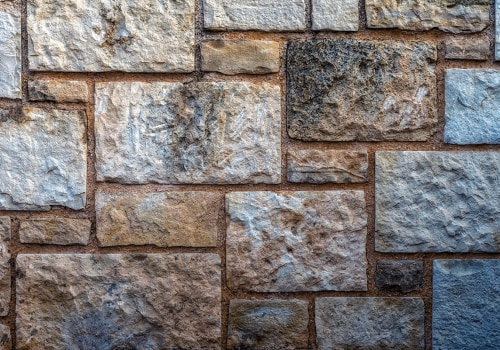
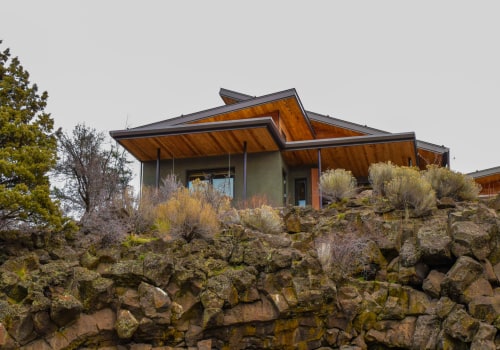
Natural stone has long been valued as a building material for its durability, aesthetic beauty, and versatility. From granite and marble to limestone and slate, each type of stone offers unique textures and colors that can enhance both interior and exterior spaces. Whether used for walls, flooring, countertops, or landscaping features, natural stone brings a sense of permanence and sophistication that few other materials can match. Its resistance to wear, weather, and time makes it an excellent choice for long-term construction projects. However, while the material itself is inherently strong, the success of any project involving natural stone depends heavily on careful planning and skilled execution.
The Importance of Detailed Project Planning
Working with natural stone requires a higher level of precision and preparation compared to many other construction materials. Each piece must be measured, cut, and installed with accuracy to ensure a seamless and visually appealing result. Proper project planning involves selecting the right type of stone for the intended application, considering factors such as load-bearing capacity, climate conditions, and maintenance requirements. It also includes budgeting for material costs, labor, and potential contingencies. Without a well-structured plan, projects can quickly encounter delays, increased expenses, or unsatisfactory outcomes. Skilled planning ensures that every stage of the process—from sourcing materials to final installation—is executed efficiently and effectively.
Skilled Craftsmanship and Technical Expertise
Natural stone installation is as much an art as it is a science. Experienced professionals understand how to handle the material’s weight, variability, and structural demands. They are trained to identify potential challenges, such as uneven surfaces or moisture-related issues, and address them before they escalate. Precision cutting, proper sealing, and secure placement are all essential to maintaining the integrity and appearance of the stone over time. Collaborating with experts like GGNC Construction Services can make a significant difference in achieving high-quality results. Their knowledge and experience help ensure that the project not only meets design expectations but also adheres to safety and construction standards.
Long-Term Value and Sustainability
One of the key advantages of natural stone is its long-term value. Unlike synthetic materials that may need frequent replacement, natural stone can last for decades with minimal maintenance. This longevity makes it a cost-effective option in the long run, even if the initial investment is higher. Additionally, natural stone is an environmentally friendly choice, as it is sourced directly from the earth and requires less processing than many manufactured materials. When paired with thoughtful project planning, it can contribute to sustainable building practices by reducing waste and promoting energy efficiency. Proper installation and maintenance further enhance its durability, ensuring that the material continues to perform well over time.
Conclusion: Planning as the Foundation of Success
Natural stone building materials offer unmatched beauty and durability, but their successful use depends on more than just selecting the right type of stone. Skilled project planning and expert craftsmanship are essential to unlocking the full potential of this timeless material. By carefully considering design, functionality, and long-term performance, homeowners and builders can create spaces that are both visually stunning and structurally sound. Ultimately, combining high-quality materials with strategic planning results in projects that stand the test of time, delivering lasting value and satisfaction.