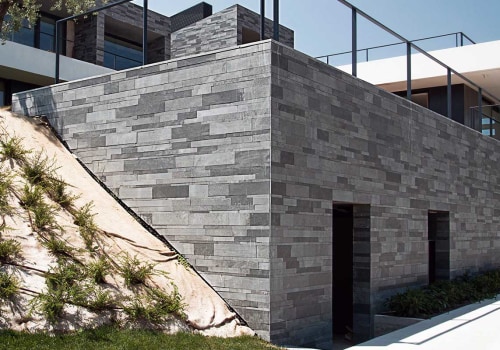
Before starting a natural stone project, it’s essential to clearly define the scope and purpose of the installation. Whether you’re planning a patio, walkway, retaining wall, or interior feature like a fireplace or flooring, each application requires different materials, preparation methods, and design considerations. Natural stone offers durability and timeless beauty, but it also demands careful planning to ensure long-term performance. Homeowners should consider factors such as location, climate, and intended use to determine the most suitable type of stone. Establishing a clear vision at the beginning helps guide decisions throughout the project and minimizes the risk of costly changes later.
Choosing the Right Type of Stone
Selecting the appropriate type of natural stone is a critical step in the process. Options such as granite, limestone, slate, and sandstone each have unique characteristics in terms of strength, porosity, and appearance. For outdoor projects, it’s important to choose stones that can withstand weather conditions, including temperature fluctuations and moisture exposure. Indoor applications may prioritize aesthetics and texture over durability. Additionally, color variations and natural patterns should be carefully reviewed to ensure they align with the overall design. Taking the time to evaluate these factors ensures that the chosen material not only looks appealing but also performs well over time.
Preparing the Site and Foundation
A solid foundation is key to the success of any natural stone project. Proper site preparation includes clearing the area, leveling the ground, and installing a stable base layer such as gravel or sand. Without adequate preparation, stones may shift, crack, or become uneven over time. Drainage is another crucial consideration, especially for outdoor installations. Poor drainage can lead to water accumulation, which may weaken the foundation and damage the stone. In some cases, integrating additional utilities during this stage—such as planning for lighting or even future upgrades like EV charger installation in McKinney—can enhance the functionality of the space and prevent the need for disruptive modifications later.
Budgeting and Cost Considerations
Natural stone projects can vary widely in cost depending on the type of stone, project size, and labor requirements. It’s important to establish a realistic budget that accounts for materials, installation, and any additional features. While natural stone may have a higher upfront cost compared to other materials, its durability and longevity often make it a worthwhile investment. Homeowners should also factor in potential maintenance costs, such as sealing or repairs, to ensure the project remains in good condition over time. Comparing quotes from different contractors and understanding the full scope of expenses can help avoid unexpected financial surprises.
Maintenance and Long-Term Care
Proper maintenance is essential to preserving the beauty and functionality of natural stone. Different types of stone require varying levels of care, including regular cleaning, sealing, and protection from harsh chemicals. Outdoor installations may need additional attention to prevent damage from weather and environmental factors. Understanding the maintenance requirements before starting the project allows homeowners to choose materials that align with their lifestyle and willingness to perform upkeep. Regular care not only enhances the appearance of the stone but also extends its lifespan.
Balancing Aesthetics and Practicality
While natural stone is often chosen for its visual appeal, it’s important to balance aesthetics with practical considerations. Slip resistance, surface texture, and ease of installation should all be taken into account. For example, smoother stones may be more suitable for indoor spaces, while textured surfaces provide better traction for outdoor areas. By carefully evaluating both design and functionality, homeowners can create a natural stone project that is not only beautiful but also safe and durable. Thoughtful planning ensures that the final result meets both aesthetic goals and practical needs, making the investment truly worthwhile.