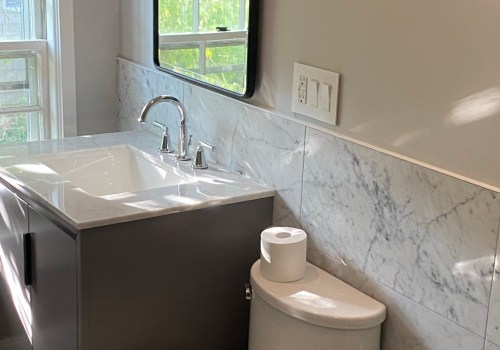
Natural stone is a timeless and durable building material that adds elegance and value to residential and commercial properties. However, its strength and beauty come with unique handling and installation requirements. Each type of stone—whether granite, marble, limestone, or slate—has distinct characteristics, including porosity, density, and susceptibility to scratches or stains. Understanding these properties is essential before beginning any project, as improper handling can lead to damage even before installation starts. Contractors and homeowners must take time to evaluate the specific stone being used to ensure it is suitable for the intended application and environment.
Proper Handling to Prevent Damage
Handling natural stone requires care and precision to avoid chips, cracks, or surface damage. Stones should always be transported using appropriate equipment such as padded supports, clamps, or dollies designed for heavy materials. Workers should wear protective gear and avoid dragging stone across hard surfaces, which can cause scratches or breakage. Proper storage is equally important; stone materials should be kept in a dry, stable environment and stacked securely to prevent shifting. Professional teams, including those from Devil Dog Services LLC, emphasize careful handling practices to preserve the integrity of the material from delivery to installation.
Preparing the Installation Surface
A successful natural stone installation begins with proper surface preparation. The substrate must be clean, level, and structurally sound to support the weight of the stone. Any unevenness or debris can compromise adhesion and lead to long-term issues such as cracking or shifting. In some cases, additional reinforcement or underlayment may be required to ensure stability. Moisture barriers and proper drainage systems should also be considered, particularly for outdoor installations, to prevent water damage and prolong the lifespan of the stone.
Using the Right Tools and Materials
Installing natural stone requires specialized tools and high-quality materials to achieve professional results. Adhesives, mortars, and sealants must be selected based on the type of stone and the conditions of the installation area. Using the wrong products can lead to poor bonding or discoloration. Precision tools, such as wet saws and diamond blades, are essential for cutting stone accurately without causing damage. Attention to detail during installation ensures that each piece fits properly and contributes to a cohesive, visually appealing finish.
Ensuring Proper Sealing and Maintenance
Sealing is a critical step in protecting natural stone from stains, moisture, and wear. Depending on the type of stone, sealing may need to be done before and after installation to provide maximum protection. Regular maintenance, including cleaning with appropriate products and reapplying sealant as needed, helps preserve the stone’s appearance and durability over time. Homeowners should be aware of the specific care requirements for their chosen material to avoid damage caused by harsh chemicals or improper cleaning techniques.
Achieving Long-Lasting and Professional Results
By following best practices for handling and installation, natural stone can deliver exceptional performance and aesthetic appeal for years to come. From careful transportation and storage to precise installation and ongoing maintenance, every step plays a role in the final outcome. Investing in proper techniques and professional expertise ensures that the material’s natural beauty is fully realized while minimizing the risk of costly repairs. With thoughtful planning and attention to detail, natural stone installations can become a lasting feature that enhances both the functionality and value of any property.