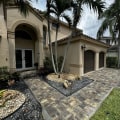
Stone facades are often chosen for their durability, timeless appearance, and ability to enhance the architectural character of a home or commercial building. Homeowners and builders frequently view stone exteriors as stable, long-lasting features that require minimal attention once installed. However, one of the least discussed factors affecting stone facades is how roof expansion and contraction movement can influence their long-term performance. Roofing systems constantly respond to temperature changes, moisture exposure, wind pressure, and seasonal weather fluctuations. As roofing materials expand and contract over time, those movements can place subtle stress on nearby structural components, including stone veneer systems and facade attachments. While these shifts may appear minor, repeated movement over many years can gradually affect the stability and condition of exterior stonework.
Roof Expansion Happens More Than Many Realize
Roofing materials naturally expand during warm weather and contract during colder temperatures. Metal flashing, roof decking, shingles, and support structures all experience movement as outdoor temperatures rise and fall throughout the year. Although modern roofing systems are designed to accommodate a certain amount of movement, these changes still influence surrounding structural connections. Stone facades, unlike flexible roofing materials, are much more rigid and less capable of adjusting to repeated expansion forces. Over time, this difference in flexibility can create stress where the roofing system meets the upper sections of the stone exterior. Small gaps, hairline cracks, or separation points may gradually begin developing in mortar joints or transition areas near the roofline.
Moisture Intrusion Can Develop Around Transition Areas
One of the most important concerns involving roof expansion movement is its potential effect on moisture protection. Areas where roofing materials meet stone facades often rely on flashing systems and sealants to prevent water intrusion. As the roof expands and contracts seasonally, flashing components may shift slightly against the stone surface. If these transition points weaken over time, moisture can begin entering behind the stone veneer or beneath roofing materials. Water intrusion in these areas may eventually lead to mold growth, freeze-thaw damage, or deterioration of underlying support materials. Roofing professionals understand that protecting stone facades requires careful attention to how roof movement affects waterproofing systems throughout the structure.
Freeze-Thaw Cycles Increase Structural Stress
In colder climates, the relationship between roofing movement and stone facades becomes even more significant due to freeze-thaw conditions. Moisture entering small cracks near the roofline may freeze and expand during winter months, widening existing gaps and increasing structural stress around the facade system. Repeated freeze-thaw cycles can gradually weaken mortar joints and contribute to visible cracking or separation within the stonework. Companies such as A1 Roofing Services recognize that seasonal roofing movement and moisture control are closely connected to preserving the long-term stability of exterior facade materials, especially on homes with complex rooflines or heavy stone detailing.
Structural Movement May Affect Appearance Over Time
Even when serious structural damage does not occur, roof expansion movement can still affect the visual appearance of stone facades over time. Homeowners may begin noticing uneven joints, minor cracking, or subtle shifting near roof intersections as materials respond differently to seasonal temperature changes. Because stone facades are highly visible architectural features, even small cosmetic changes can impact the overall appearance of the property. In some cases, these signs are mistakenly attributed only to natural aging rather than the combined effects of roofing movement and structural stress above.
Preventive Maintenance Supports Long-Term Performance
Proper roof maintenance and regular exterior inspections are important for protecting both roofing systems and stone facades from long-term expansion-related issues. Inspecting flashing, sealants, drainage systems, and roof transition points helps identify early warning signs before larger structural problems develop. Coordinating roofing maintenance with facade evaluations also allows homeowners to address moisture intrusion and movement concerns more effectively. By understanding the connection between roof expansion movement and stone exterior performance, property owners can better preserve the appearance, durability, and structural integrity of both systems for many years to come.